Watch the following video:
http://www.upinspire.com/inspire/311/what-this-bully-did-is-disgust
What would you do if that happened in front of you?
Why didn't people do something to stop the bullying?
What can you do to stop bullying?
What do you do if you see something and you are not sure if it is teasing or bullying? Do you ignore it?
Showing posts with label Bystander. Show all posts
Showing posts with label Bystander. Show all posts
January 6, 2014

May 7, 2013
F.E.N.C.E.S.-bullying strategies for adults
1st Step: Stop, or END the Bullying:
- Stand between the children who bullied and those who are victimized, preferably blocking eye contact between them.
- Set ground rules for all participants. e.g. "I want you to stand here while I talk. I want you to listen and not talk."
- Don't get into a verbal or physical confrontation with any student, send bystanders away, sort out facts now.
- Stand close to the child who has been bullied and make minimal eye contact-just enough to gauge emotions. Physically comfort the child, but avoid embarrassing them. Be sure to follow-up by seeing the child later and take measures to protect the child from further bullying or retaliation.
- Don't get in the "child's face" if they have been bullied. Ask the victim to repeat what happened and offer a lot of sympathy right then, wait until later.
- State what you saw-heard; label it bullying; state that it is against the school rules e.g. "Leaving someone out of the game is exclusion and is against our school rules about bullying." Use a matter-or-fact voice to point out which behaviors are unacceptable. State your personal feeling about the behavior.
- Don't accuse simply state the facts. Don't engage in a discussion right now.
- Use a calm, supportive tone of voice to let bystanders know that you noticed their interaction or that you are pleased with the way they tried to help-even if they were unsuccessful.
- Give bystanders a way to save face, "Maybe you weren't comfortable saying something right then, or didn't know what to do." let them know you are disappointed that they didn't do anything and that you expect them to intervene next time or get an adult if they need help.
- Don't scold bystnaders for not getting involved. Don't ask bystanders for explanations at this time.
- As a first step, take away social opportunities from students who bully (as much as your role permits). Let the bully know that you and other adults will be watching carefully to make sure they are making better choices in the future. Be sure to notify the teachers of the bully and victim(s) about what happened.
- Make sure consequences are logical and directly connected to the offense. As a second level consequence, consider having the child who bullied notify their parents and or the teacher of the victimized child.
- Don't require student to apologize during the heat of the moment. Don't scold. Don't make a plan of reparation at this point unless the victim requests it.
- Find out what would be meaningful to the victim and help the bully put the plan into action.
- Be sure to supervise, or assign an adult to supervise all steps of the process.
- Bring the victim and bully together for reparation unless requested by the victim.
April 19, 2013
Bullying-you make the difference
Watch the following video: http://www.values.com/inspirational-stories-tv-spots/72-Locker
What can you do when you see bullying happening?
Who can you tell?
How can you help make it stop?
Pass it on...
What can you do when you see bullying happening?
Who can you tell?
How can you help make it stop?
Pass it on...
March 2, 2013
Quote
.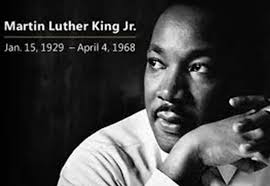
"In the end, we will remember not the words of our enemies, but the silence of our friends."
-Dr. Martin Luther King Jr
Bystanders Take Action!
Bystanders can discourage bullying:
-What can you say to a friend who is bullying? (examples: What you did to Dylan is bullying. I know you don't like Dylan, but that doesn't mean you have to pick on him.)
-What can you DO when bullying is happening? (examples: walk away, don't join in, get help for the kid who is being bullied)
-When someone is the target of a bully what can you SAY to be helpful? (don't worry about it, they are the one with the problem, you need to tell an adult about this, do you want me to come with you to the office to tell someone?)
-When someone is the target of a bully, what can you DO to be helpful? (support them by taking them away from the bully, get to know them, introduce them to your friends, let them know what things they do well- focus on the positive)
Ask the class: What if you see someone getting teased and you're not sure if it was bullying or friendly teasing? (Encourage them to report it anyways! It is good for students to know that other people are watching and care what is happening to them.)
(Noble, Dr. Toni, ACU National, www.bounceback.com/au)
-What can you say to a friend who is bullying? (examples: What you did to Dylan is bullying. I know you don't like Dylan, but that doesn't mean you have to pick on him.)
-What can you DO when bullying is happening? (examples: walk away, don't join in, get help for the kid who is being bullied)
-When someone is the target of a bully what can you SAY to be helpful? (don't worry about it, they are the one with the problem, you need to tell an adult about this, do you want me to come with you to the office to tell someone?)
-When someone is the target of a bully, what can you DO to be helpful? (support them by taking them away from the bully, get to know them, introduce them to your friends, let them know what things they do well- focus on the positive)
Ask the class: What if you see someone getting teased and you're not sure if it was bullying or friendly teasing? (Encourage them to report it anyways! It is good for students to know that other people are watching and care what is happening to them.)
(Noble, Dr. Toni, ACU National, www.bounceback.com/au)
Bystander- Quiz
Have your class take the following quiz ad then discuss the research-based answers.
QUIZ
1. Choose the one phrase that best describes bullying in schools:
A. a personal predicament for the student who is bullying and the targeted student
B. a social problem
2. 50% of school bullying incidents are observed by bystanders True or False
3. When bystanders intervene, the bullying stops in 30% of cases. True or False
4. About 50% of students say they would help a student who is being bullied. True or False
5. Mot common reason bystanders give for not helping a targeted student is their fear of retaliation. True or False
6. Bystanders are most likely to help a student being bullied if they think their teacher will approve. True or False
7. People are most likely to help others in distress when they are in a group (than by themselves). True or False
Answers
1. B. A social problem- it should be a whole school culture of a bully-free zone
2. False: Peers are present 85% of bullying episodes in school settings- teachers rarely witness the event
3. True: in 57% of cases bullying stops within 10 seconds
4. True: 43% said they would help (in one study, only 11% of the students actually intervened)
5. True: there are many reasons that bystanders give as to why they do not help:
-fear of retaliation, not my concern, blaming the victim, action would be useless or make things worse, *some students said that they approve of bullying (SAD!)
6. False: students are more concerned about what their peers think, rather than what the teacher thinks.
7. False: people are less likely to help when they are in a group (it is called the "diffusion of responsibility")
(Noble, Toni, ACU National, www.bounceback.com/au)
QUIZ
1. Choose the one phrase that best describes bullying in schools:
A. a personal predicament for the student who is bullying and the targeted student
B. a social problem
2. 50% of school bullying incidents are observed by bystanders True or False
3. When bystanders intervene, the bullying stops in 30% of cases. True or False
4. About 50% of students say they would help a student who is being bullied. True or False
5. Mot common reason bystanders give for not helping a targeted student is their fear of retaliation. True or False
6. Bystanders are most likely to help a student being bullied if they think their teacher will approve. True or False
7. People are most likely to help others in distress when they are in a group (than by themselves). True or False
Answers
1. B. A social problem- it should be a whole school culture of a bully-free zone
2. False: Peers are present 85% of bullying episodes in school settings- teachers rarely witness the event
3. True: in 57% of cases bullying stops within 10 seconds
4. True: 43% said they would help (in one study, only 11% of the students actually intervened)
5. True: there are many reasons that bystanders give as to why they do not help:
-fear of retaliation, not my concern, blaming the victim, action would be useless or make things worse, *some students said that they approve of bullying (SAD!)
6. False: students are more concerned about what their peers think, rather than what the teacher thinks.
7. False: people are less likely to help when they are in a group (it is called the "diffusion of responsibility")
(Noble, Toni, ACU National, www.bounceback.com/au)
March 1, 2013
Bystander Effect- Video
The following video depicts a psychological experiment in which people are shown reacting (or not reacting) to a hurt individual.
http://www.youtube.com/watch?v=OSsPfbup0ac&safe=active
Processing:
Why didn't people immediately stop to help the first man?
What are the reasons why people don't get involved?
Why was the nicely dressed man treated differently?
What would you do, if you you were in New York, and you saw someone laying on the sidewalk?
Do we ever ignore a situation in which people are being hurt? What are those situations?
_Do we always see how much someone is hurting on the inside?
When is it okay to not help someone?
http://www.youtube.com/watch?v=OSsPfbup0ac&safe=active
Processing:
Why didn't people immediately stop to help the first man?
What are the reasons why people don't get involved?
Why was the nicely dressed man treated differently?
What would you do, if you you were in New York, and you saw someone laying on the sidewalk?
Do we ever ignore a situation in which people are being hurt? What are those situations?
_Do we always see how much someone is hurting on the inside?
When is it okay to not help someone?
February 25, 2013
The smoke experiment-example of bystander effect
In one experiment, subjects were placed in one of three treatment conditions: alone in a room, with two other participants or with two confederates who pretended to be normal participants.
As the participants sat filling out questionnaires, smoke began to fill the room.
-When participants were alone, 75% reported the smoke to the experimenters.
-In contrast, just 38% of participants in a room with two other people reported the smoke.
-In the final group, the two confederates in the experiment noted the smoke and then ignored it, which resulted in only 10% of the participants reporting the smoke.
Why don't people speak up?
Two possible reasons:
Shared responsibility- everyone feels like the responsibility is shared and so they do not feel the pressure to do/say something.
Social Conformity-people feel pressure to act appropriately in situations and have a difficult time responding when no one else is, because they feel it may not be necessary.
http://psychology.about.com/od/socialpsychology/a/bystandereffect.htm
As the participants sat filling out questionnaires, smoke began to fill the room.
-When participants were alone, 75% reported the smoke to the experimenters.
-In contrast, just 38% of participants in a room with two other people reported the smoke.
-In the final group, the two confederates in the experiment noted the smoke and then ignored it, which resulted in only 10% of the participants reporting the smoke.
Why don't people speak up?
Two possible reasons:
Shared responsibility- everyone feels like the responsibility is shared and so they do not feel the pressure to do/say something.
Social Conformity-people feel pressure to act appropriately in situations and have a difficult time responding when no one else is, because they feel it may not be necessary.
http://psychology.about.com/od/socialpsychology/a/bystandereffect.htm
August 31, 2012
Bystander
LESSON 7:
DON’T JUST STAND BY
OVERVIEW:
Students discuss what it means to be a bystander to bullying and why it is often difficult
to intervene and support peers who are affected by bullying. They brainstorm ways to overcome
these challenges and are provided with specific strategies for “taking a stand” against name-calling
and bullying. Students then apply these principles by writing responses to advice column letters,
role-playing solutions, and writing about real-life bystander situations with which they have been
confronted.
OBJECTIVES:
• To increase students’ awareness about the impact of negative bystander behavior and their
responsibility to do something about name-calling and bullying
• To help students identify ways to overcome the challenges that stop them from being effective
allies to others
• To provide students with safe and realistic strategies for taking a stand against name-calling and
bullying
• To provide students with structured practice and application of the strategies they have learned
AGE/EXPERIENCE LEVEL:
Grades 4-8
TIME:
80 minutes or two class periods
MATERIALS:
Chart paper/markers; pens; Students handouts: Take a Stand and Lend a Hand and
Don’t Just Stand By (they are both listed in this post)
PROCEDURE:
PART 1—INTRODUCING THE ACTIVITY (20 MINUTES)
Pose one or both of the following scenarios to the class:
#1 You’re in the locker room after gym and one of your classmates keeps making
insulting remarks to a much smaller student who has the locker next to you.
What do you do?
#2 The student who sits next to you in math class is spreading mean rumors
about another classmate that you know are all lies. Do you say something?
For each scenario, ask students to respond to the following questions:
• What is the right thing to do in this situation?
• What do you think most students you know would actually do in this situation?
Ask students to consider the discrepancy between their responses to the questions above. Ask them
what they think stops people from doing the “right thing” in situations like the ones you posed (e.g.,
fear, ignorance, peer pressure, prejudice). Capture their responses on a sheet of chart paper.
No-Name Calling Week Resource Guide Copyright ©2004 by GLSEN, Inc. 79
PART 2—IDENTIFYING WAYS TO BE AN ALLY (20 MINUTES)
Point out that we’ve all been a
bystander to bullying behavior at one time or another in our lives.
Ask students- What is a bystander? (you can define it as someone who witnesses an incident, but doesn’t
take part in it). Note that bystanders are not to blame for bullying, but if they laugh at it, ignore it, or
simply do nothing, they may play a part in keeping it going.
Return to the list of reasons why students sometimes stop short of doing the “right thing” and brainstorm
ways to overcome these challenges so that students can be better friends and allies to those who
are targeted for name-calling and bullying.
Distribute the handout (listed below, you may cut and paste into a new document to hand out)
Take a Stand and Lend a Hand, which offers strategies for intervening safely
when students are bystanders to name-calling or bullying. Review this information with students and
ask them if they have anything to add to the list of ways to overcome barriers to doing the “right thing.”
PART 3—APPLYING “TAKING A STAND” (40 MINUTES)
Distribute the handout (paragraphs below at bottom of post),
Don’t Just Stand By, which includes two letters in the style of an advice column.
Each letter is written by a student who is a bystander to bullying and needs some guidance
about what to do. Individually or in pairs, ask students to write responses to one or both letters that incorporate
some of the strategies you have discussed for taking a stand against name-calling and bullying.
When students have completed their letters, ask for some volunteers to share their responses and to
highlight strategies for taking a stand that are safe and realistic. Alternatively you can ask for volunteers
to role-play each situation. Students can act each scenario out twice—the first time just the bullying
incident, and the second time with the bystander(s) “lending a hand.”
This activity can also be followed up by asking students to anonymously write advice column style
letters that represent real bystander situations with which they have been confronted. These can be
read, discussed and responded to in class from time to time to reinforce the values discussed in this
lesson and to support students as they work to apply these principles to their lives.
Name-calling and bullying are problems that everyone must help to solve. It may not be your fault that
some students bully, but if you ignore it, laugh at it, or do nothing in response to bullying that you witness,
you may be a part of the problem. Being an ally or a friend to someone who is being picked on may feel
uncomfortable or scary, but there are safe ways in which we can all “Take a Stand and Lend a Hand.”
The following is the first handout:
WHAT DO YOU DO WHEN YOU SEE SOMEONE BEING BULLIED AT SCHOOL?
Ask yourself, “Is it my job to help?”
Think about how YOU might feel if the bullying was happening
to you. You and other students can lend a hand, even when you aren’t close friends with the people
being bullied. Your school will be a better place if you help stop bullying. And making your
school a better place is EVERYONE’S job!
WHAT CAN I DO?
Lots of things! Think about what may work for you:
• Don’t just stand there...SAY SOMETHING!
• People who bully may think they’re being funny or “cool.” If you feel safe, tell the person to
STOP the bullying behavior. Say you don’t like it and that it isn’t funny.
• DON’T BULLY BACK! It won’t help if you use mean names or actions. And it could make things worse.
BUT WHAT IF I DON’T FEEL SAFE TELLING STUDENTS WHO BULLY TO STOP?
That’s OK.
No one should put himself or herself in an unsafe situation. How ELSE can you lend a
hand when bullying happens?
• Say kind words to the person who is being bullied, such as “I’m sorry about what happened,”
and “I don’t like it!” Help them understand that it’s not their fault. Be a friend. Invite that student
to do things with you, like sitting together at lunch or working together on a project.
EVERYONE NEEDS A FRIEND!
• Tell that student to talk to someone about what happened. Offer to help by going along.
• Pay attention to the other students who see the bullying. (These people are called, “bystanders.”)
Are any of them laughing, or joining in with the bullying? These people are part of the problem.
Let those bystanders know that they’re not helping! DON’T be one of them!
-Tell an adult. (This is IMPORTANT!!) Chances are, the person who is being bullied needs help
from an adult. AND the student who is doing the bullying probably does, too. Often, the bullying
does not get reported. Think about who you could tell in your school—a teacher, counselor,
cafeteria or playground aid, principal, bus driver, or other adults you feel comfortable
telling. If you need help telling, take a friend along.
WHY DON’T SOME STUDENTS TELL WHEN THEY SEE BULLYING?
• They may not want others to think they are “tattling.” They may be afraid that the students
who bully will pick on them next.
• They may think their friends will make fun of them for trying to help.
• Telling is very important! Reporting that someone is getting bullied or hurt in some other way
is NOT “tattling.” Adults at school can help. Ask them to help keep you safe after telling.
Explain to your friends that bullying is NOT fair and encourage them to join in helping!
WHAT IF THE BULLYING DOESN’T HAPPEN AT SCHOOL?
• If there is an adult around, report the bullying to an adult (your youth group leader,
sports coach, etc.)
• No matter where the bullying happens, you should talk to your parents about bullying that
you see or know about. Ask them for their ideas about how to help. We ALL must do our
part! People who are bullied deserve to feel safe and welcome at school and in their neighborhoods.
Everyone does!
We’ve all been a bystander to bullying behavior at one time or another in our lives. A bystander is
someone who witnesses an incident, but doesn’t take part in it. Bystanders are not to blame for
bullying, but if they laugh at it, ignore it, or simply do nothing, they may play a part in keeping it
going. Name-calling and bullying are problems that everyone must help to solve. And there are ways
that we can all get involved without putting ourselves at risk or harming our standing with peers.
Read the Fact Sheet entitled
Take a Stand and Lend a Hand, which provides some tips for taking a
stand against name-calling and bullying. Then use this information to help you write a response to The
Dear Gabby letters below. When you are finished, try role-playing each situation. Act each scenario
out twice—the first time just the bullying incident, and the second time with the bystander(s)
“lending a hand.”
Dear Gabby,
My family just moved from a big city to the suburbs, so now I have to take the bus to school every
day. There’s this one kid who sits next to me every morning. I guess you can say he’s the typical
“nerd.” His nose is always in a book, he wears glasses that are too big for his face, and his clothes
are not very stylish. You get the point. Anyway, there’s this group of thugs who taunt the poor guy
every day. They call him “loser,” make fun of the way he talks, try to trip him—the whole works.
Most of the other kids either laugh or ignore it, and the bus driver does absolutely nothing. I guess
you can lump me in with the ones who pretty much ignore it. I feel bad for the kid, but what can I
do? I’m the new guy at my middle school and it’s hard enough to make friends without everyone
thinking I’m best buddies with the class “nerd.” Besides, the thugs are like twice my size, so it’s not
like I can teach them a lesson or anything. Still, this problem keeps nagging at me. What do you
think I should do, Gabby?
Sincerely stressed,
Concerned in Connecticut
Dear Concerned,
Have students write response_______________________
No-Name Calling Week Resource Guide
, Copyright ©2004 by GLSEN, Inc.
Dear Gabby,
There’s this kid in my class named Jason. He was really popular when we were in elementary
school, but now he gets picked on all the time because he’s into dance and acts a little like a girl.
They call him “Queer Eye” and basically torture him on a daily basis. He’s pretty good at just pretending
they don’t exist, but it drives me crazy. Once, when some kids were giving Jason a hard
time, I told them to cut it out. Forget it—they called me a lesbian for like a month after that. I’m
just not sure there’s any use getting involved. What do you think, Gabby?
Yours bluely,
Fed-Up in Florida
Dear Fed-Up,___________________________________________
_______________________________________________________
Bystander
What does it mean to be a bystander?
Who are the bystanders when something bad happens?
Could a bystander get in trouble for something that went on if they were not directly involved, but were still close by? (Yes, if your friends are fighting with someone or getting in trouble you could share the blame.)
Bystanders need to …
Who are the bystanders when something bad happens?
Could a bystander get in trouble for something that went on if they were not directly involved, but were still close by? (Yes, if your friends are fighting with someone or getting in trouble you could share the blame.)
Bystanders need to …
- Avoid laughing or joining in when bullying occurs
- Tell the student who is bullying to stop
- Encourage other bystanders to be supportive of the victim
- Say something kind or supportive to the target of bullying
- Invite the student who is being bullied to walk, sit, work or socialize with them
- Encourage the target to talk to an adult about what happened and offering to accompany them
- Tell an adult at school what has happened
- Talk to an adult at home about what has happened
Remember! If you are not part of the solution, then you are part of the problem.
Bullying won't stop until people speak up.
August 15, 2012
Bullying Quiz
This quiz is the most effective when it is given after a couple of bullying lessons have been discussed. This is a good assessment to see what area needs to be covered in more depth.
True or False
1. Bullies are almost always boys.
2. Bystanders shouldn't get involved.
3. People who get bullied usually deserve it.
4. If you are the target of a bully, you should tell someone.
5. People who are bullied always get over it after a little while.
6. If you receive a threat by text or email, you should delete it immediately.
7. Cyberbullying can be more harmful even though no one is physically hurt.
Give yourself one point for each question answered correctly.
Your score__________.
1. False 2. False 3. False 4. True 5. False 6. False 7. True
True or False
1. Bullies are almost always boys.
2. Bystanders shouldn't get involved.
3. People who get bullied usually deserve it.
4. If you are the target of a bully, you should tell someone.
5. People who are bullied always get over it after a little while.
6. If you receive a threat by text or email, you should delete it immediately.
7. Cyberbullying can be more harmful even though no one is physically hurt.
Give yourself one point for each question answered correctly.
Your score__________.
1. False 2. False 3. False 4. True 5. False 6. False 7. True
July 23, 2012
Happy Ending
Karen Klein’s Happy Ending
 Some of you may remember the story of Karen Huff Klein, the 68-year-old bus monitor who was badly bullied and berated by four seventh-graders, who recorded and then streamed the assault online.
 Amid the 10 minute long stream of insults, swearing, and even physical approach which drove the woman to tears, one boy even states that, “You don’t have a family because they all killed themselves because they didn’t want to be near you.”
Klein, in addition to being widowed at 51, lost one of her children to suicide 10 years ago.
The deeply personal and savage assault on her, further compounded by going viral online, surprisingly may have a happy ending thanks to a random stranger online, Max Sidorov. Max saw the story and decided to start an online campaign to raise $5,000 for Klein to enjoy a vacation, but the campaign went viral, too. Over 32,000 people have contributed more than $700,000 to Klein – a whole lot more than her normal annual salary of just over $15,500.
With the new funds, coming this next week likely without taxes, Karen is going to enjoy a well-deserved retirement, but has no intentions of sitting around sewing. Not only does she intend to help out her family, but she also wants to get involved in helping to prevent bullying and suicide.
“I’m not a great speaker… but I would like to try to do something,” she says. “Kids write to me and tell me that they’ve been bullied. The kids that get bullied…I hate it.”
All of this coming from one act of cruelty and childishness. Thankfully, we have four brats trying to berate one adult, but 32,000 compassionate people looking to make things right. Karen says it best:
“I didn’t realize there were so many nice people out there in the world.”
http://www.changeathought.com/professionals/public-service/karen-kleins-happy-ending/
Remember, bullying ends when people quit putting up with it. If the people surrounding them on the bus would have stepped in and stopped what was happening, Karen's feelings could have been spared (of course she wouldn't have reaped the benefits later).
How did the "internet bystander" help her?
Why were the words hurtful to her?
How has she turned this into a positive experience?
July 17, 2012
Relational Aggression
What do you see happening in this picture?
Do we ever see this behavior with people?
Why are they responding to the other in a negative way?
If you saw this interaction with people what would you do?
 loveit.com
Do we ever see this behavior with people?
Why are they responding to the other in a negative way?
If you saw this interaction with people what would you do?
Subscribe to:
Posts (Atom)